If you are looking to start your musical journey or improve your skills, Drum lessons Austin can be the perfect way to get hands-on experience and professional guidance. Drumming is not only about keeping a rhythm; it’s about expressing emotion, building discipline, and enhancing coordination.
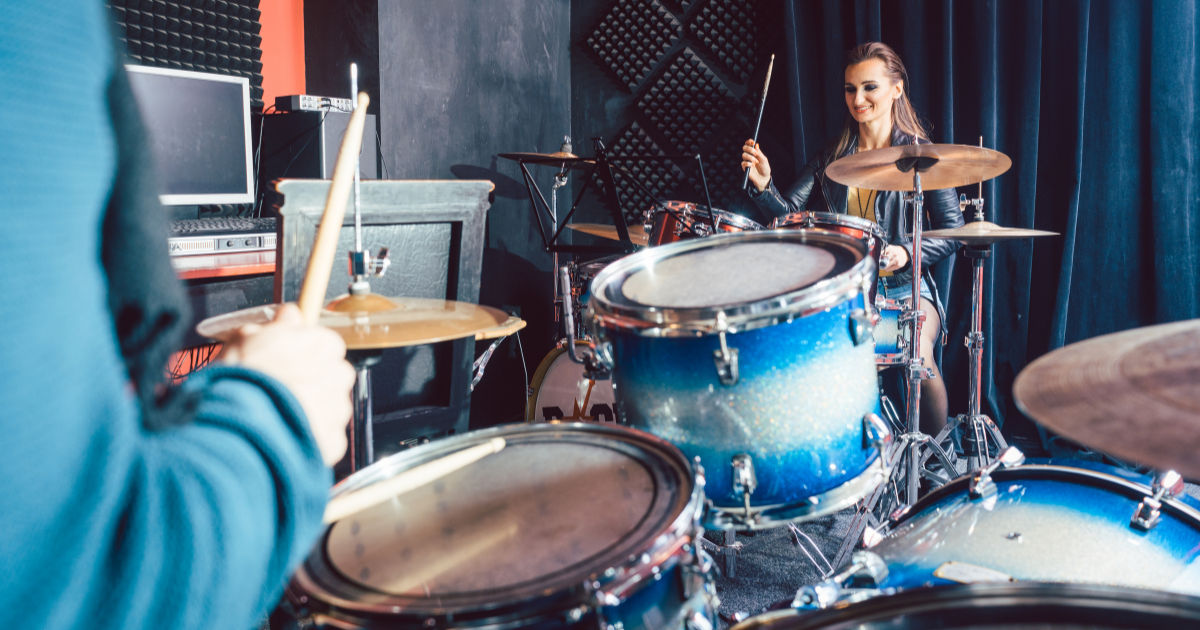
Choosing the right drumming lessons in Austin can make the difference between slow progress and a rapid, enjoyable learning experience. In this guide, we will explore everything you need to know before committing to drum lessons, ensuring that your investment in learning pays off.
Understanding Your Goals as a Drummer
Before searching for Drum lessons Austin, it’s important to understand your personal goals. Are you a complete beginner hoping to learn the basics, or an intermediate player aiming to improve your technique and speed? Maybe your goal is to play in a band or even pursue a professional career. Knowing your objectives helps you select a program that matches your needs.
For beginners, foundational skills like proper grip, basic rhythms, and timing are essential. Intermediate and advanced players may focus more on complex patterns, improvisation, and performance techniques. The right instructor should adapt to your goals and provide a tailored learning path.
Evaluating Instructor Experience
One of the most critical factors in choosing Drum lessons Austin is the experience of the instructor. A skilled teacher will not only know how to play the drums proficiently but also how to teach effectively. Look for instructors who have a strong background in performance, recording, or teaching.
An experienced teacher can provide valuable insights into different drumming styles, including rock, jazz, funk, and blues. They can also help you avoid common mistakes that slow progress and teach techniques that improve both speed and endurance. Don’t hesitate to ask about the instructor’s background, their teaching style, and their experience with students at your skill level.
Lesson Structure and Curriculum
The structure of the lessons is equally important. A well-designed curriculum ensures consistent progress and keeps learning engaging. Ask about the lesson plans, the pace of learning, and how the teacher adapts lessons for individual students.
Good Drum lessons Austin often include a mix of theory and practice. While playing is essential, understanding rhythm, time signatures, and music notation can significantly improve your drumming skills. Some programs also incorporate exercises for hand-foot coordination, improvisation, and ear training.
Personalized vs. Group Lessons
When looking for Drum lessons Austin, you’ll likely encounter both one-on-one and group lessons. Each has its benefits.
Personalized lessons provide undivided attention from the instructor and are highly effective for fast learning. The instructor can correct mistakes immediately and focus on areas where you struggle.
Group lessons, on the other hand, offer a social and collaborative environment. They allow you to learn alongside others, which can motivate you and expose you to new styles and techniques. Ideally, choose a program that offers flexibility between private and group sessions.
Location and Accessibility
Practical considerations such as location and schedule are also important. You want Drum lessons Austin that are conveniently located near your home or workplace. This reduces travel time and ensures consistent attendance, which is crucial for steady progress.
Check if the studio has flexible scheduling options. Life can be unpredictable, and having the ability to reschedule or choose lesson times that fit your routine is a big advantage. Some studios also offer online lessons, which can be a great alternative if commuting is difficult.
Quality of Equipment
The quality of drums and equipment used in lessons significantly impacts your learning experience. Make sure the studio provides well-maintained drums, cymbals, and other necessary accessories. Learning on substandard equipment can be frustrating and limit your ability to practice proper techniques.
If you have your own drum set, confirm whether the instructor is comfortable using it. This can provide consistency between lessons and personal practice.
Student Progress Tracking
A great aspect of professional Drum lessons Austin is systematic progress tracking. Ask potential instructors how they measure student improvement. Do they provide feedback after each lesson? Are there periodic assessments or milestones?
Tracking your progress helps maintain motivation and highlights areas that need improvement. It also ensures that the lessons are effective and that you are moving toward your drumming goals.
Learning Styles and Teaching Methods
Everyone learns differently, and a good instructor will adapt their teaching methods to match your style. Some students learn best through visual demonstrations, while others prefer written exercises or audio guidance.
Look for instructors who can explain concepts in simple terms and adjust their pace based on your understanding. The ability to simplify complex rhythms and patterns is a hallmark of a skilled drum teacher.
Performance Opportunities
Performance experience is essential for developing confidence and stage presence. Many Drum lessons Austin programs provide opportunities for students to perform in recitals, bands, or local events.
Playing in front of others helps you apply what you’ve learned in a real-world setting. It also encourages teamwork if you participate in ensemble performances and teaches you how to adapt to live music situations.
Cost and Value
While cost shouldn’t be the only factor, it is certainly important. Drum lessons Austin can vary widely in price depending on the instructor’s experience, lesson duration, and frequency.
Compare the value offered rather than just the price. Consider what is included in the lesson package, such as personalized feedback, access to studio equipment, and supplementary materials. Sometimes a slightly higher cost is justified if it ensures quality instruction and faster progress.
Student Reviews and Testimonials
Before committing, research reviews or ask for testimonials from current or former students. Their experiences can provide insight into the instructor’s teaching style, lesson effectiveness, and overall studio environment. Positive feedback, especially from students at your skill level, is a good indicator of quality.
Focus on Musicality and Creativity
While technique is crucial, drumming is also an art form. The best Drum lessons Austin encourage creativity and musical expression. A great teacher will guide you in developing your style, improvisation skills, and ability to contribute to a band’s sound.
Learning to read music and understand rhythm is important, but equally important is the freedom to experiment with your beats and compositions. This balance between structure and creativity makes drumming enjoyable and fulfilling.
Adaptability to Modern Music Trends
Music is constantly evolving. Look for instructors who stay updated with modern drumming styles and techniques. Whether it’s electronic drumming, hybrid kits, or contemporary music trends, a teacher who adapts lessons to current music ensures that your skills remain relevant.
Online vs. In-person Lessons
With technology, many students now explore online Drum lessons Austin. Online lessons can be convenient, flexible, and accessible, especially if you live far from the studio or have a busy schedule.
However, in-person lessons have distinct advantages, particularly for beginners. Physical presence allows for hands-on corrections, immediate feedback, and better interaction. Ideally, choose a program that offers both options so you can switch based on your needs.
Trial Lessons and Consultations
Many reputable drum instructors offer trial lessons or consultations. This is a perfect opportunity to assess their teaching style, lesson structure, and compatibility with your learning preferences. Never commit without experiencing a lesson firsthand, as the rapport between student and teacher is crucial for success.
Supplementary Learning Materials
Good Drum lessons Austin often provide additional resources such as practice guides, video tutorials, and sheet music. These materials support your learning outside of lessons and allow for consistent practice.
Ask whether these materials are included in the lesson fee and if the instructor offers guidance on how to practice effectively at home. Structured practice can significantly accelerate progress.
Creating a Consistent Practice Routine
No matter how skilled your instructor is, your progress ultimately depends on consistent practice. A strong drum program emphasizes the importance of regular practice and provides tips to structure your practice sessions efficiently.
Short, focused practice sessions daily are often more effective than occasional long sessions. Drumming involves building muscle memory, coordination, and timing, all of which improve with regular repetition.
Community and Networking Opportunities
Some Drum lessons Austin programs create a sense of community among students. Participating in student jam sessions, group workshops, or social events helps you network with fellow musicians and gain inspiration. These connections can be invaluable if you aim to perform professionally or join bands.
Conclusion
Choosing the right Drum lessons Austin requires careful consideration of several factors: your personal goals, instructor experience, lesson structure, teaching style, performance opportunities, and practical considerations like cost and location. The best programs balance technical skill development with creativity, adaptability, and fun.
Remember that drumming is a journey that requires patience, dedication, and consistent practice. By selecting the right lessons, you set yourself up for an enriching musical experience that builds confidence, enhances rhythm, and opens doors to various musical opportunities. Whether you aim to play casually, join a band, or pursue a professional career, the right Drum lessons Austin can transform your potential into real skill.
Take the time to research, attend trial lessons, and evaluate instructors carefully. With the right guidance, equipment, and practice habits, drumming can become a lifelong passion and a source of immense personal satisfaction. Your journey as a drummer begins with that first lesson, so choose wisely, stay committed, and enjoy the rhythm of progress.